SONG EXPLORER
Top #3666
Nivel cambiado en PHOENIX 2
ver todos → S15 ↑ antes S14
Los niveles de esta página son los de PHOENIX 2 (versión actual); «antes» es el nivel que tenía en PHOENIX 1.
CHARTS 3
NIVEL 9–17
RANK #3666 D17
Charts de Money: Single S9, S15 · Double D17.
S SINGLE
ver todos S →


D DOUBLE
ver todos D →

Ficha
- Compositor
- Banya Production
- Debut
- 펌프 잇 업 NX2
- Canal
- Original / NX ~ NXA
- BPM
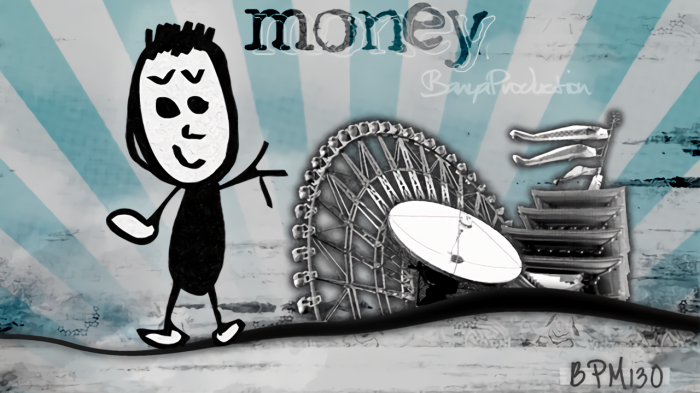
- 130
Historia y análisis
Español →"Money" is a Banya Production track that first appeared in Pump It Up NX2. Despite its breezy tone, it is best remembered for an unusually bumpy life inside the game, having been cut and reinstated several times across versions.
▸ History and versions
"Money" debuted in Pump It Up NX2 at a BPM of 130. It never caught on with players, and that lukewarm reception shaped its history. In NXA it vanished from the arcade station's normal mode, surviving only inside the WorldMax mode, before resurfacing in Fiesta EX. It was pulled again in Prime, then made a second comeback in Prime 2. This cycle of removals and returns makes it one of the more erratic entries in the series' tracklist history. True to its title, the lyrics speak frankly about the conflicting feelings money stirs up. There is also a remix with Monkey Fingers titled "Money Fingers".
▸ Charts and difficulty
In PHOENIX the song carries S9, S14, and D17, alongside gentler charts inherited from NX2. The S9, its old Hard chart, keeps a steady stream of eighth notes rolling in along with the vocals. The S14 (the original Crazy) mostly loops a simple chorus-driven pattern, but two staircases tucked into the middle deserve attention. The D17 (Nightmare) is essentially the Crazy chart expanded: it plays gently until a dense run laced with double-clicks hits mid-song, lending a sense of speed that belies the 130 BPM. The SP4 (Normal) mixes twists, two-note jumps, and stairs, which makes it a solid practice chart, while the D10 (Freestyle) leaves the chorus sparse and concentrates its eighth notes in the interlude and bridge.
Texto editorial basado en Namu Wiki · CC BY-NC-SA 2.0 KR